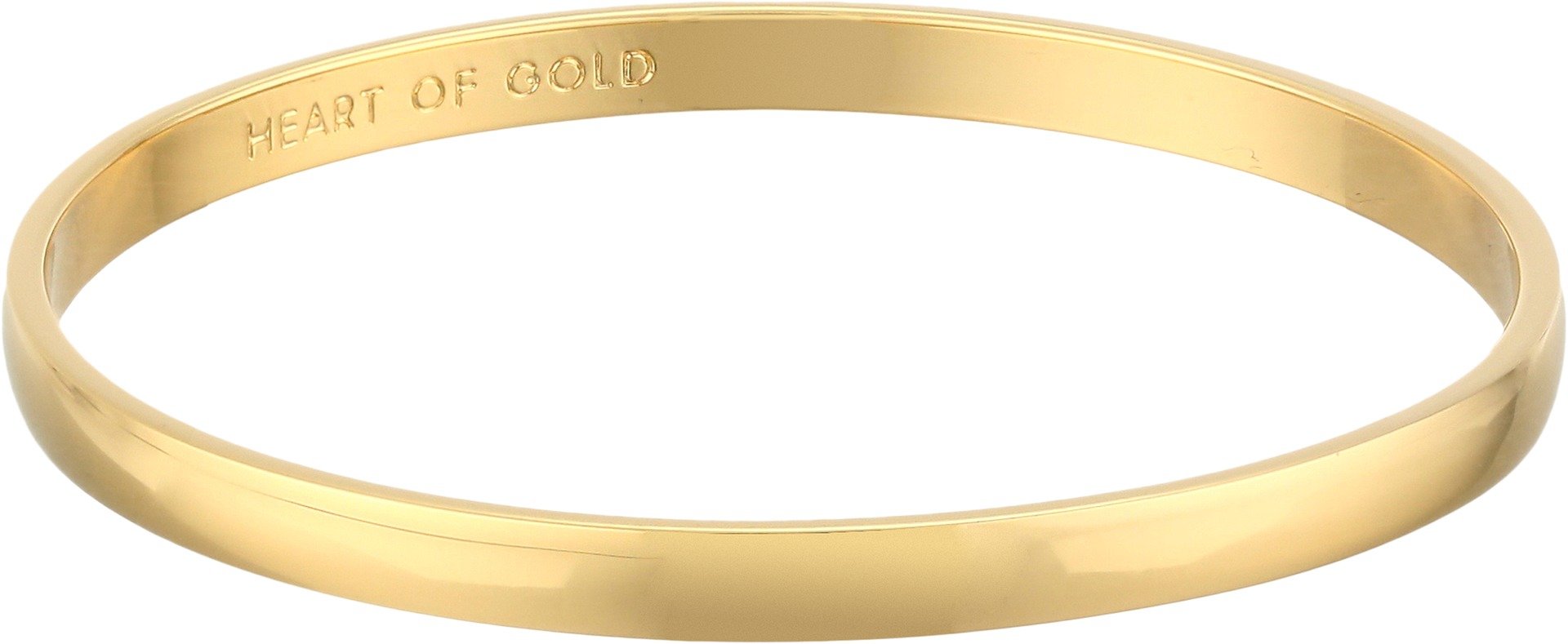
If you’ve landed on this page holding a Kate Spade or Kendra Scott bracelet — or a link to one — and wondering whether the $80–$250 price tag reflects something real or just a logo, you’re asking exactly the right question. Both brands occupy what the jewelry industry calls the “fashion-to-bridge” tier: pieces priced above fast-fashion trinkets but well below fine jewelry made from solid gold or sterling silver in any meaningful quantity. “Fashion jewelry” typically means base-metal construction with decorative plating or stone settings; “bridge jewelry” sits one step up, using sterling silver, gold vermeil (a thick gold plating over sterling, regulated by the FTC to a minimum of 2.5 microns), or semi-precious stones. Neither Kate Spade nor Kendra Scott is primarily a fine-jewelry house, but understanding exactly what they are — and what their construction choices mean for longevity — will tell you whether a given piece earns its asking price for your specific use case.
This article synthesizes what long-term owners, retail jewelry analysts, and editorial reviewers consistently report about both brands, compares their construction approaches, and ends with a plain decision rule: if you’re buying for X, here’s which choice makes more sense.
What Kate Spade Is Actually Selling You
Kate Spade’s jewelry line is, in the clearest possible terms, a lifestyle brand extension. The bracelets — typically $65–$200 at full retail — are designed to be recognized at a glance: enamel bows, spade charms, pastel color palettes, and graphic whimsy. The construction underneath that aesthetic is almost uniformly base metal (brass or zinc alloy) with gold-tone or silver-tone plating, or occasionally rhodium plating on silver-tone pieces. A small subset of Kate Spade pieces uses sterling silver, and those are marked accordingly, but the flagship accessible-price bracelets are not silver or gold in any meaningful FTC sense.
What does that mean in practice? Plated base-metal jewelry has a finite surface life. Reviewers at Who What Wear and Harper’s Bazaar consistently note that fashion-tier plated pieces — regardless of brand — begin showing wear at high-friction points (clasps, inner band edges, charm loops) within six to eighteen months of daily wear. Kate Spade is no exception. Owners reporting on retail review aggregators frequently mention tarnish or color shift at the one-year mark with regular wear, which aligns with what you’d expect from industry-standard 0.5–1 micron flash plating common in fashion jewelry.
What Kate Spade does deliver reliably — and this matters — is aesthetic consistency, strong gifting presentation (the packaging quality is genuinely elevated for the price tier), and wide retail availability that simplifies returns and exchanges. For a milestone gift where the moment of unboxing carries emotional weight and the recipient isn’t a daily-wear-jewelry person, the brand delivers real value. Vogue’s coverage of accessible designer jewelry consistently positions Kate Spade as a top-tier gifting option precisely because the unboxing ritual matches the price point better than most fashion competitors.
Where the premium goes at Kate Spade: Brand recognition, packaging, retail infrastructure, licensing value. Not metal content. Not plating longevity beyond fashion-jewelry norms.
What Kendra Scott Is Actually Selling You
Kendra Scott occupies a different position and it’s worth being precise about why. The brand was built on a specific design signature — the “Elisa” pendant, the color-bar concept, interchangeable semi-precious stones in settings that let customers swap colors in-store — and that design vocabulary has become genuinely influential. Who What Wear’s coverage of Kendra Scott notes the brand’s unusual positioning: it operates its own retail stores, offers in-store color customization, and has built a customer-retention model around the ability to refresh a piece rather than replace it.
The construction story is more nuanced than Kate Spade’s. Kendra Scott’s standard line uses brass with 14k gold plating or rhodium plating, plus genuine semi-precious stones — drusy quartz, mother of pearl, turquoise, abalone. The plating is fashion-tier (base metal underneath), but the stones are real, which matters both aesthetically and for resale or sentimental purposes. A small but growing subset of their line, often labeled “Signature Gold” or marketed as fine jewelry, uses 14k solid gold or sterling silver with genuine stone settings and carries a meaningful price premium ($300–$900+).
For bracelets specifically, Kendra Scott’s mid-range pieces — the Dira or Elisa cuff styles, typically $75–$180 — consistently receive owner reports of better-than-average plating durability for the fashion tier, though reviewers note this varies significantly with wear habits and skin chemistry. The semi-precious stones in these pieces are the primary quality differentiator over Kate Spade at similar price points.
Where the premium goes at Kendra Scott: Design IP, genuine stone content, customization infrastructure, and a retail experience built around the brand’s core aesthetic. The plating longevity is fashion-tier, but the stone quality adds tangible material value that Kate Spade’s fashion line doesn’t match.
The Construction Math: A Side-by-Side Reality Check
Before comparing prices, it helps to anchor what you’re actually paying for in material terms. The FTC’s Jewelry Guides (16 CFR Part 23) are the governing standard in the U.S. for how gold content must be described. By those definitions:
By the Numbers
- Gold-filled (e.g., Gorjana): 1/20 gold by weight bonded to base metal; FTC requires disclosure
- Gold vermeil (e.g., Mejuri entry tier): 2.5+ micron gold over sterling silver
- Gold-plated / fashion plating (Kate Spade, Kendra Scott standard line): typically 0.5–1 micron flash plating over brass; no FTC minimum thickness requirement
- 14k solid gold (Kendra Scott fine tier, Mejuri solid, David Yurman): 58.3% pure gold by weight — the only tier with meaningful intrinsic metal value
At May 2026 gold spot prices in the $3,100–$3,300/troy-oz range (reflecting the sustained institutional and central-bank demand that has driven prices from the 2024 breakout), a 14k solid gold bracelet of modest weight (3–5 grams) carries $175–$290 in raw metal value alone. Fashion-plated brass bracelets — regardless of brand — carry effectively zero intrinsic metal value. This isn’t a criticism; it’s a framing device. You are buying design, brand story, and gifting experience, not a store of value. That’s a legitimate purchase. It just needs to be made clearly.
Where Each Brand Earns — and Doesn’t Earn — Its Premium
Kate Spade earns its premium when:
- The purchase is a gift where brand recognition matters to the recipient. The Knot’s gift-guide coverage consistently ranks Kate Spade as a top pick for milestone gifting precisely because the name travels — the recipient knows what they received and the social signal is legible.
- The aesthetic (whimsical, color-forward, obviously branded) matches the recipient’s wardrobe. Kate Spade’s design language is cohesive and immediately identifiable.
- Longevity isn’t the priority. A birthday gift worn for a year of occasional use, then retired, performs exactly as designed.
Kate Spade doesn’t earn its premium when:
- The buyer expects daily-wear durability beyond 12–18 months. Owners who wear fashion-plated pieces every day consistently report faster wear than the price point implies they should experience.
- The buyer is comparing to sterling silver at similar prices. At $80–$120, there is solid sterling silver and gold-filled jewelry (Gorjana, Mejuri) that will outlast fashion plating by years.
Kendra Scott earns its premium when:
- Stone aesthetics matter. Real semi-precious stones — even at fashion-tier price points — photograph differently, feel different, and carry more visual depth than resin or glass alternatives common in pure fashion jewelry.
- Customization has value. For clients who want to personalize a gift or refresh a piece seasonally, the in-store color-swap feature is a genuine differentiator with no close competitor at the price point.
- The buyer is selecting from Kendra Scott’s fine-jewelry tier. At $300–$900 in solid gold or sterling with genuine stones, Kendra Scott is making a different product entirely — one that competes legitimately with Mejuri and lower-end Monica Vinader.
Kendra Scott doesn’t earn its premium when:
- The buyer conflates fashion-tier plating with fine jewelry durability. The standard line is brass-based, and the plating, while often reported as slightly more durable than average fashion plating, is not a gold-filled or vermeil product.
- The buyer is stacking these pieces against solid gold for investment purposes. At current gold prices, there is no argument for buying fashion-plated brass as a store of value.
The Honest Comparison: What Reviewers and Owners Consistently Report
Harper’s Bazaar’s jewelry coverage frames both Kate Spade and Kendra Scott as “accessible luxury” brands — a useful marketing category that actually means “luxury brand experience at non-luxury construction.” That framing isn’t damning; it’s just accurate, and buying well requires accepting it.
Long-term owner reports, aggregated across retail review platforms and editorial coverage, show a consistent pattern: buyers who purchase Kate Spade or Kendra Scott with accurate expectations (gifting, aesthetic enjoyment, occasional wear) report high satisfaction. Buyers who purchase expecting fine-jewelry durability report frustration. The brands aren’t misleading anyone, but the marketing language — “14k gold plating,” “genuine stones,” premium price-point packaging — creates ambiguity that leads some buyers to misread construction quality.
The one area where Kendra Scott has a durable edge over Kate Spade for the intermediate buyer: their fine-jewelry sub-line, which is genuinely fine jewelry. If you’re helping a client select a $400–$600 gift and they want a recognizable American brand story with actual solid gold or sterling, Kendra Scott’s upper tier is a legitimate option in a way that Kate Spade’s jewelry line simply isn’t structured to compete with.
The Decision Rule
If the purchase is a gift where brand recognition and unboxing experience are the primary value drivers, and the recipient is not a daily-wear jewelry person: Kate Spade delivers exactly what it promises. Budget $80–$175, expect fashion-tier longevity, and accept that you’re buying story and packaging.
If the purchase involves semi-precious stones, customization, or a recipient who will wear the piece regularly: Kendra Scott’s standard line earns more of its premium than Kate Spade’s equivalent tier. Budget $100–$200 for their mid-range, and note that the stones add tangible quality over comparable Kate Spade prices.
If the buyer is at all durability-focused or investment-minded: Neither brand’s standard line is the right answer. At $150+, Gorjana’s gold-filled pieces or Mejuri’s vermeil tier offer superior longevity per dollar spent, with FTC-defined construction standards that fashion plating cannot match. The brand premium you’d spend at Kate Spade or Kendra Scott standard tier buys real metal content elsewhere.
If the buyer specifically wants Kendra Scott fine jewelry: Treat it as a separate category entirely — it’s a different product, built to a different standard, and priced accordingly. At that tier, compare it directly to Mejuri solid gold and Monica Vinader, not to fashion-jewelry alternatives.
The brand premium at both Kate Spade and Kendra Scott is real — it buys design IP, retail experience, and cultural legibility. What it doesn’t buy is metal content. Know which one you need, and you’ll make the right call every time.